
Some Political Trivia at Election Time
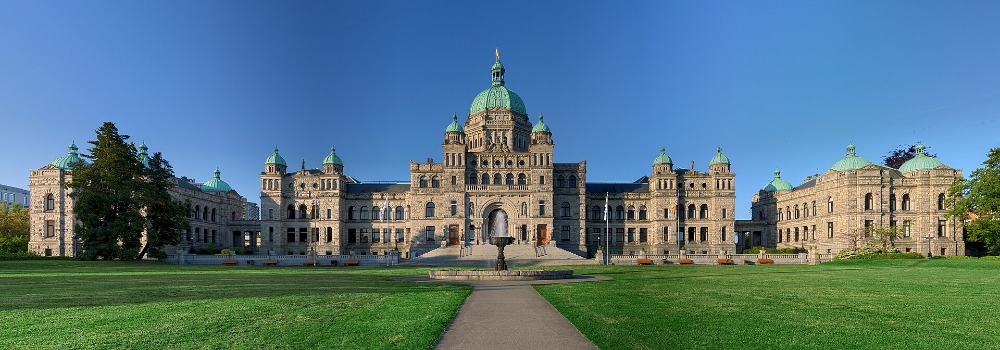
While we are in the middle of election fever in British Columbia, Canada, this month, it seemed like a good time to research some Provincial politics from the past. Here is what I found.
Did you know for instance that during the 1870s and 1880s, schoolteachers were prohibited from voting?
And that the voting age was originally twenty-one?
Or that British Columbia was the fourth province to extend voting rights to women.
And in 1995, British Columbia was the first province to adopt ‘recall and initiative legislation’?
It all started back on July 20, 1871, when B.C. became a province and later that year, during October through December, voting took place by a mere show of hands. There were initially no specific organized parties; there were only forty-six candidates; and no election deposit was required. People qualified to vote simply by being male, a British Subject, twenty-one years of age and by meeting residential requirements. I found it interesting that in 1871, judges, magistrates and police were not allowed to vote.
The following year, Chinese Canadians and Indigenous people were also prohibited from voting and that same year the secret ballot was introduced. By 1876, men no longer were required to own property to vote, and by 1883, both Federal employees and schoolteachers were allowed to vote and campaign. In 1890, candidates were required to pay a $200 deposit to run for election.
In 1899 Provincial employees were prohibited from voting but this was overturned the following year (1900), and they were allowed voting privileges. In 1907 South-Asian Canadians were prohibited from voting.
In 1917 women were finally allowed to vote on the same basis as men and the following year, Mary Ellen Smith became the first woman to run as a candidate and the first woman elected in 1920 and again in 1924.
Even though British Columbia had indeed come a long way, in 1921 yet another group, the Doukhobors, were prohibited from voting. Then in 1945, many members of prohibited groups, if they were otherwise qualified, were allowed to vote if they had served in WWII. These included the South-Asian Canadians. However, adequate knowledge of English or French was required.
In 1956 Douglas Jung became the first Chinese Canadian to run in an election, and that same year Rosemary Brown was the first black woman elected in the province. She was elected three times, serving as an MLA until she retired in 1986.
In 1977, liquor sales were allowed on election day and by 1982, the words “British subject” were dropped as a qualification to vote.
In the year 2000, Ujjal Dosanjh became the first Indo-Canadian Premier. And in 2004, British Columbia became the first jurisdiction in North America allowed to vote online. The following year, the number of seats in the Legislative Assembly increased to eighty-five.
In 2024, the number of seats in the Legislative Assembly increased from 87 to 93 and that year the 43rd Provincial General Election was conducted on October 19, using modern technology.
On October 24, 2026, we will once again go to the Polls and cast our vote in the 44th General Election since 1871. We have come a long way since that first election was decided by a mere show of hands in Victoria. Our fate will now be decided between three major parties – NDP, Conservative, and the Green Party.
Don’t forget to vote!
It will certainly be interesting to see where we go from here.